
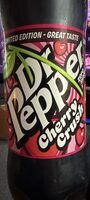
Dr pepper cherry crush
Processing
4
Ultra-processed
Group 4 of 4 on the NOVA scale
Additives listed
5
0 we grade moderate or higher
Counted from the label, not by quantity
Nutrients
–
Nothing above the low band
Or no figures recorded at all
Three separate readings, kept apart on purpose. This is not a score, and none of it says this product is harmful.
Additives (5)
This label lists 3 sweeteners, 1 acidity regulator and 1 preservative.
E202
Potassium sorbate
Preservative
What it is. The potassium salt of sorbic acid, which stops mould and yeast growth.
Why it is used. Used in cheese, baked goods, dried fruit, wine and dressings.
What the evidence says. Widely used and long regarded as one of the gentler preservatives. EFSA's 2015 re-evaluation lowered the acceptable daily intake and noted gaps in the genotoxicity data, asking for more work, while finding no evidence of harm at the levels actually used.
Permitted with maximum levels. EFSA has asked for further data rather than restricted it.
Assessed against EFSA. Full entry for E202
E338
Phosphoric acid
Acidity regulator
What it is. A strong food acid that gives cola drinks their sharpness.
Why it is used. Used in colas and some processed foods to control acidity.
What the evidence says. EFSA set a group acceptable daily intake for phosphates in 2019 and noted that high consumers, particularly children, can exceed it once all sources are counted. The concern is total phosphate intake across the diet rather than one drink, and it matters most for people with reduced kidney function.
Permitted with maximum levels, under a group limit shared with the other phosphate additives.
Assessed against EFSA. Full entry for E338
E950
Acesulfame K
Artificial sweetener
What it is. A calorie free intense sweetener, often blended with other sweeteners to round out taste.
Why it is used. Used in diet drinks, dairy and confectionery.
What the evidence says. Long treated as safe by regulators. Some recent research on sweeteners and the gut microbiome is ongoing, but nothing has changed the official safety position.
Permitted with an acceptable daily intake in all three regions.
Assessed against EFSA, JECFA. Full entry for E950
E951
Aspartame
Artificial sweetener
What it is. An intense sweetener around 200 times sweeter than sugar, used in tiny amounts.
Why it is used. Sweetens diet drinks, sugar free gum and low calorie desserts.
What the evidence says. In 2023 IARC listed it as possibly carcinogenic, its weakest evidence tier. At the same time the expert intake committee JECFA kept the safe daily limit unchanged, noting you would need a very high daily intake to approach it, roughly a dozen or more cans of diet drink a day for an adult. So headline scary, practically low concern for normal use.
Permitted with an acceptable daily intake. People with the condition PKU must avoid it, which is why packs carry a phenylalanine note.
Assessed against IARC, JECFA, EFSA. Full entry for E951
E955
Sucralose
Artificial sweetener
What it is. An intense sweetener made from sugar, around 600 times sweeter, so it is used in very small amounts.
Why it is used. Sweetens diet drinks, tabletop sweeteners, dairy and baked goods.
What the evidence says. Regulators have treated it as safe for decades and the acceptable daily intake has not changed. Newer laboratory work on a breakdown product, and the general question of sweeteners and the gut microbiome, keep it under discussion, but that work is early and has not moved any official position.
Permitted with an acceptable daily intake in all three regions.
Assessed against EFSA, JECFA. Full entry for E955
Ingredients
carbonated water, colour e 15 flavourings including caffeine, acids (phosphoric acid, lactic acid sweeteners (aspartame, acesulfame k, sucralose), preservative (potassium sorbate), contains a source of phenylalanine sugar ra ooo!
As printed on the pack, in the producer's own order: ingredients are listed by weight, so what comes first is most of what is in it. E numbers link to their assessment where we have one.