
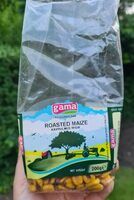
Roasted Maize
Processing
4
Ultra-processed
Group 4 of 4 on the NOVA scale
Additives listed
2
1 we grade moderate or higher
Counted from the label, not by quantity
Salt per 100g
1.67g
High
UK FSA front of pack threshold
Three separate readings, kept apart on purpose. This is not a score, and none of it says this product is harmful.
Additives (2)
This label lists 1 antioxidant and 1 flavour enhancer.
E320
BHA (butylated hydroxyanisole)
Antioxidant
What it is. A synthetic antioxidant that stops fats and oils going rancid.
Why it is used. Used in some fatty foods, snacks and chewing gum.
What the evidence says. IARC lists it as possibly carcinogenic based mainly on high dose animal studies. Human relevance at food levels is uncertain, and it is used in small amounts, but it is one to watch rather than dismiss.
Permitted with limits. Its use has declined as makers switch to natural antioxidants like vitamin E.
Assessed against IARC, EFSA. Full entry for E320
E621
Monosodium glutamate
Flavour enhancer
What it is. The sodium salt of glutamate, an amino acid found naturally in tomatoes, cheese and mushrooms.
Why it is used. Boosts savoury, umami flavour in stocks, crisps, ready meals and sauces.
What the evidence says. The old idea of MSG causing headaches and flushing, once called Chinese restaurant syndrome, has not held up in controlled trials. Regulators worldwide treat it as safe at normal intake. A genuinely useful example of a feared additive that the evidence exonerates.
Permitted and classed as safe. Adds to total sodium, so it counts towards salt if a product uses a lot.
Assessed against EFSA, JECFA, US FDA. Full entry for E621
Ingredients
Corn, vegetable fat (palm oil), salt, sugar, flavour enhance E-621, and anti-oxidant E-320.
As printed on the pack, in the producer's own order: ingredients are listed by weight, so what comes first is most of what is in it. E numbers link to their assessment where we have one.