
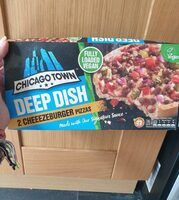
Fully loaded vegan pizza
Unknown brand
Processing
4
Ultra-processed
Group 4 of 4 on the NOVA scale
Additives listed
4
0 we grade moderate or higher
1 of them not yet assessed here
Fat per 100g
10g
Medium
UK FSA front of pack threshold
Three separate readings, kept apart on purpose. This is not a score, and none of it says this product is harmful.
Additives (4)
This label lists 2 thickeners and gelling agents, 1 acidity regulator and 1 antioxidant.
E407
Carrageenan
Thickener and stabiliser
What it is. A gel forming fibre extracted from red seaweed.
Why it is used. Thickens dairy, plant milks, desserts and some processed meats.
What the evidence says. Food grade carrageenan is permitted. A degraded form called poligeenan is harmful, but that is not what goes into food. Some lab and animal work links carrageenan to gut inflammation, which keeps it under review, but human evidence is limited and mixed.
Permitted, including in organic food in many places, though a few specialist products avoid it as a precaution.
Assessed against EFSA, JECFA. Full entry for E407
E300
Ascorbic acid (vitamin C)
Antioxidant
What it is. Vitamin C, added to protect colour and flavour and sometimes to fortify.
Why it is used. Stops browning in juices and cut fruit, protects fats, and boosts vitamin content.
What the evidence says. Beneficial and harmless at the levels used. Included here as a reminder that an E number is just a code, and plenty of them are ordinary nutrients.
Permitted freely, no concern.
Assessed against EFSA, JECFA. Full entry for E300
E330
Citric acid
Acidity regulator
What it is. A mild acid found naturally in citrus fruit, made commercially by fermentation.
Why it is used. Adds tartness, balances flavour and helps preserve. One of the most used additives in food.
What the evidence says. Safe at food levels. No credible health concern for the additive itself.
Permitted freely.
Assessed against EFSA, JECFA. Full entry for E330
Also on the label, not assessed here yet
- E461 Methyl cellulose thickener
Names and jobs come from the register of additives permitted in Great Britain, which we have not finished transcribing: a code shown without a name is a gap in our coverage, not a finding that it is unapproved. Naming one is not grading it either. Full detail appears only where we have an assessment against a named authority, so all of this describes our coverage rather than these additives. Most are common and low concern.
Ingredients
wheat flour with calcium, niacin (b3), iron, thiamin (b1)), tomato puree, water, grated pizza topping (9% te monited potato starch, vegetable oil (coconut), maize starch, sea salt, flavouring, colorearme antioxidant (ascorbic acid)), vegetable oils rapeseed, sunflower), vegan mapsbsure water, textured wheat blend (wheat gluten, wheat starch, preservative (soumelabieket felelj, vegetable oil (sunflower), faba bean protein blend (faba bean protein, whea starch, stabiliser (methyl cellulose)), onion extract, yeast extract, salt, beetroot juice pa 7der westroot juice concentrate, barley malt extract, maltodextrin, acidity regulator (citric acid), stabiliser (carrageenan)), flavouring, pepper extract), tomato pieces (3.5%), pickled gherkins (3.5%) (gherkins, salt, vinegar), red onions (3.5%), corn flour sugar, yeast, barley malt vinegar, salt, modified potato starch, herbs and spices, maltodextrin, qarlic powder, dried onions, rice flour, spirit vinegar, flavourings, spice extracts, basil oil. shear
As printed on the pack, in the producer's own order: ingredients are listed by weight, so what comes first is most of what is in it. E numbers link to their assessment where we have one.