
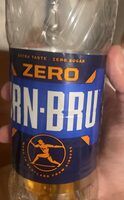
zero
Processing
4
Ultra-processed
Group 4 of 4 on the NOVA scale
Additives listed
5
1 we grade moderate or higher
1 of them not yet assessed here
Nutrients
–
Nothing above the low band
Or no figures recorded at all
Three separate readings, kept apart on purpose. This is not a score, and none of it says this product is harmful.
Additives (5)
This label lists 1 acidity regulator, 1 colour, 1 preservative and 1 sweetener. 1 more we cannot place from the code alone.
E110
Sunset Yellow FCF
Orange-yellow colour
What it is. A synthetic orange yellow dye.
Why it is used. Colours squashes, sweets, snacks and desserts.
What the evidence says. Also one of the Southampton Six, carrying the same signal for hyperactivity in sensitive children.
UK and EU require the children's activity warning. Permitted in the US.
Assessed against UK FSA, EFSA. Full entry for E110
E211
Sodium benzoate
Preservative
What it is. A preservative that stops yeasts, moulds and some bacteria growing in acidic foods.
Why it is used. Used in soft drinks, sauces, pickles and dressings.
What the evidence says. EFSA re-evaluated it in 2016 and kept an acceptable daily intake, with normal exposure below it. The known issue is specific: in acidic drinks that also contain vitamin C, benzoate can form small amounts of benzene, so manufacturers reformulated to avoid the combination. It was also present in the drink mixes used in the Southampton hyperactivity study, though the warning requirement that followed applies to the colours rather than to benzoate.
Permitted with maximum levels in the foods where it is allowed.
Assessed against EFSA, UK FSA. Full entry for E211
E951
Aspartame
Artificial sweetener
What it is. An intense sweetener around 200 times sweeter than sugar, used in tiny amounts.
Why it is used. Sweetens diet drinks, sugar free gum and low calorie desserts.
What the evidence says. In 2023 IARC listed it as possibly carcinogenic, its weakest evidence tier. At the same time the expert intake committee JECFA kept the safe daily limit unchanged, noting you would need a very high daily intake to approach it, roughly a dozen or more cans of diet drink a day for an adult. So headline scary, practically low concern for normal use.
Permitted with an acceptable daily intake. People with the condition PKU must avoid it, which is why packs carry a phenylalanine note.
Assessed against IARC, JECFA, EFSA. Full entry for E951
E330
Citric acid
Acidity regulator
What it is. A mild acid found naturally in citrus fruit, made commercially by fermentation.
Why it is used. Adds tartness, balances flavour and helps preserve. One of the most used additives in food.
What the evidence says. Safe at food levels. No credible health concern for the additive itself.
Permitted freely.
Assessed against EFSA, JECFA. Full entry for E330
Also on the label, not assessed here yet
- E381 No entry in our register
Names and jobs come from the register of additives permitted in Great Britain, which we have not finished transcribing: a code shown without a name is a gap in our coverage, not a finding that it is unapproved. Naming one is not grading it either. Full detail appears only where we have an assessment against a named authority, so all of this describes our coverage rather than these additives. Most are common and low concern.
Ingredients
Carbonated water, citric acid, flavorings (including caffeine, ammonium ferric citrate, quinine, aspartame, and potassium acesulfame), preservative (E211), colors (Sunset Yellow FCF, Ponceau 49). Contains a source of phenylalanine.
As printed on the pack, in the producer's own order: ingredients are listed by weight, so what comes first is most of what is in it. E numbers link to their assessment where we have one.