
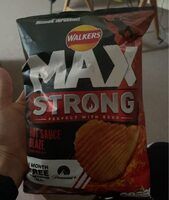
Max Strong Hot Sauce Blaze
Processing
4
Ultra-processed
Group 4 of 4 on the NOVA scale
Additives listed
7
0 we grade moderate or higher
4 of them not yet assessed here
Fat per 100g
29g
High
UK FSA front of pack threshold
Three separate readings, kept apart on purpose. This is not a score, and none of it says this product is harmful.
Additives (7)
This label lists 3 antioxidants, 2 acidity regulators, 1 colour and 1 flavour enhancer.
E300
Ascorbic acid (vitamin C)
Antioxidant
What it is. Vitamin C, added to protect colour and flavour and sometimes to fortify.
Why it is used. Stops browning in juices and cut fruit, protects fats, and boosts vitamin content.
What the evidence says. Beneficial and harmless at the levels used. Included here as a reminder that an E number is just a code, and plenty of them are ordinary nutrients.
Permitted freely, no concern.
Assessed against EFSA, JECFA. Full entry for E300
E330
Citric acid
Acidity regulator
What it is. A mild acid found naturally in citrus fruit, made commercially by fermentation.
Why it is used. Adds tartness, balances flavour and helps preserve. One of the most used additives in food.
What the evidence says. Safe at food levels. No credible health concern for the additive itself.
Permitted freely.
Assessed against EFSA, JECFA. Full entry for E330
E621
Monosodium glutamate
Flavour enhancer
What it is. The sodium salt of glutamate, an amino acid found naturally in tomatoes, cheese and mushrooms.
Why it is used. Boosts savoury, umami flavour in stocks, crisps, ready meals and sauces.
What the evidence says. The old idea of MSG causing headaches and flushing, once called Chinese restaurant syndrome, has not held up in controlled trials. Regulators worldwide treat it as safe at normal intake. A genuinely useful example of a feared additive that the evidence exonerates.
Permitted and classed as safe. Adds to total sodium, so it counts towards salt if a product uses a lot.
Assessed against EFSA, JECFA, US FDA. Full entry for E621
Also on the label, not assessed here yet
- E160C Paprika extract, capsanthin colour
- E306 Tocopherol-rich extract antioxidant
- E332 Potassium citrates acidity regulator
- E392 Extracts of rosemary antioxidant
Names and jobs come from the register of additives permitted in Great Britain, which we have not finished transcribing: a code shown without a name is a gap in our coverage, not a finding that it is unapproved. Naming one is not grading it either. Full detail appears only where we have an assessment against a named authority, so all of this describes our coverage rather than these additives. Most are common and low concern.
Ingredients
potatoes, vegetable oils (sunflower, rapeseed in varying proportions), prawn cocktail seasoning [sugar, flavourings, salt, act (citric acid), onion powder, cayenne pepper powder, potassium chloride, acidity regulator (potassium citrates), tomato powder, bla pepper powder, colour (paprika extract)], antioxidants (rosemary extract, ascorbic acid, tocopherol rich extract, citric acid). allergy advice may contain: milk, wheat, gluten, barley, soya, celery, mustard. suitable for vegetarians no artificial colours no added msg
As printed on the pack, in the producer's own order: ingredients are listed by weight, so what comes first is most of what is in it. E numbers link to their assessment where we have one.