
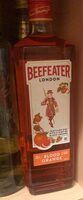
beefeater London blood orange
Beefeater
Processing
4
Ultra-processed
Group 4 of 4 on the NOVA scale
Additives listed
2
2 we grade moderate or higher
Counted from the label, not by quantity
Nutrients
–
Nothing above the low band
Or no figures recorded at all
Three separate readings, kept apart on purpose. This is not a score, and none of it says this product is harmful.
Additives (2)
This label lists 2 colours.
E102
Tartrazine
Yellow colour
What it is. A synthetic lemon yellow dye.
Why it is used. Colours soft drinks, sweets, sauces and snacks.
What the evidence says. One of the Southampton Six colours linked in a 2007 UK study to increased hyperactivity in some children. The effect is modest and does not affect every child, but it was enough for a mandatory on pack warning.
UK and EU require the label to warn it may affect activity and attention in children. Permitted in the US without that warning.
Assessed against UK FSA, EFSA. Full entry for E102
E129
Allura Red AC
Red colour
What it is. A synthetic red dye, sometimes labelled Red 40 in the US.
Why it is used. Colours sweets, drinks, cereals and baked goods.
What the evidence says. Another Southampton Six colour. Beyond the hyperactivity signal, some newer animal research on gut inflammation has renewed interest, though that is early and not settled in humans.
Children's activity warning in the UK and EU. In the US it remains permitted, though several states have moved to restrict synthetic dyes in school food.
Assessed against UK FSA, EFSA, US FDA. Full entry for E129
Ingredients
Gin, voda, cukr, přírodní pomerančové aroma, přírodní aroma, červeň allura AC, Tartrazin
As printed on the pack, in the producer's own order: ingredients are listed by weight, so what comes first is most of what is in it. E numbers link to their assessment where we have one.