
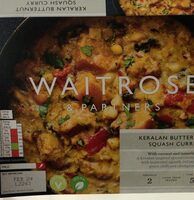
Keralan butternut squash curry
Processing
4
Ultra-processed
Group 4 of 4 on the NOVA scale
Additives listed
5
0 we grade moderate or higher
3 of them not yet assessed here
Fat per 100g
7.50g
Medium
UK FSA front of pack threshold
Three separate readings, kept apart on purpose. This is not a score, and none of it says this product is harmful.
Additives (5)
This label lists 1 acidity regulator, 1 colour, 1 emulsifier, 1 preservative and 1 raising agent.
E160A
Carotenes
Yellow to orange colour
What it is. The orange pigments found in carrots and other vegetables, either extracted or made synthetically.
Why it is used. Colours margarine, soft drinks, dairy, and sweets.
What the evidence says. The same compound the body turns into vitamin A, and safe at the levels used in food. High dose beta-carotene supplements have been linked to harm in smokers, but those doses are far above anything a colour in food delivers, and conflating the two is a common mistake.
Permitted. The supplement findings apply to concentrated doses, not to food colouring.
Assessed against EFSA, JECFA. Full entry for E160A
E330
Citric acid
Acidity regulator
What it is. A mild acid found naturally in citrus fruit, made commercially by fermentation.
Why it is used. Adds tartness, balances flavour and helps preserve. One of the most used additives in food.
What the evidence says. Safe at food levels. No credible health concern for the additive itself.
Permitted freely.
Assessed against EFSA, JECFA. Full entry for E330
Also on the label, not assessed here yet
- E200 Sorbic acid preservative
- E341 Calcium phosphates raising agent
- E473 Sucrose esters of fatty acids emulsifier
Names and jobs come from the register of additives permitted in Great Britain, which we have not finished transcribing: a code shown without a name is a gap in our coverage, not a finding that it is unapproved. Naming one is not grading it either. Full detail appears only where we have an assessment against a named authority, so all of this describes our coverage rather than these additives. Most are common and low concern.
Ingredients
Water, butternut squash (18%), desiccated coconut, red pepper, diced N tomatoes, diced onions, green lentils, chickpeas, sunflower oil, passata, spinach, modified maize starch, salt, coconut milk, concentrated grape juice, acidity regulators (calcium phosphates, citric acid), brown sugar, emulsifier (sucrose esters of fatty acids), garlic, ginger purée, colour (carotenes), lemon juice from concentrate, coriander, Vitamin D, tamarind paste, chopped green chilli, Vitamin B12, ground turmeric, fenugreek, black onion seeds, curry leaves, chilli powder, coriander powder, cassia, ginger powder, cloves, brown mustard seeds, potato maltodextrin, potato starch, yeast extract, sugar, onion powder, parsnip, dried parsley, lovage extract, lovage, turmeric powder, ground white pepper, garlic powder, mace, ground nutmeg ALLERGY ADVICE: For allergens see ingredients in bold. May contain peanuts, nuts and sesame. For best results oven heat. OVEN COOK FROZEN 50-55 mins GAS 6, 200°C, FAN 180°C Preheat oven. Remove sleeve and pierce film lid. Place on a baking tray in the centre of the oven and heat for 40 minutes. Remove film lid, stir and heat for a further 10-15 minutes. Remove from the oven and stand for 1 minute before serving. Check food is piping hot. Stir before serving. Do not reheat once cooled. All cooking appliances vary. This is a guide only. MICROWAVE FROZEN 17 mins CAT D 800W 16 mins CAT E 900W 15 mins CAT E 1000W Microwave ovens vary: refer to handbook. Remove sleeve and place on a microwaveable plate. Halfway through heating, peel back film lid and stir. Allow to stand for 2 minutes. Stir before serving. During heating, the packaging may become flexible. Leave on a plate/baking tray at all times during the reheating and stirring process. handle carefully to avoid scalding. Packaging will regain strength on standing. TY AS En En Fo of Co Of FIE Pr Sc W Thi RI= e Pr W Br RC
As printed on the pack, in the producer's own order: ingredients are listed by weight, so what comes first is most of what is in it. E numbers link to their assessment where we have one.