
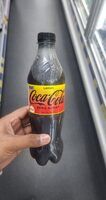
Coke zero suger - Lemon flavour
Processing
4
Ultra-processed
Group 4 of 4 on the NOVA scale
Additives listed
4
1 we grade moderate or higher
1 of them not yet assessed here
Nutrients
–
Nothing above the low band
Or no figures recorded at all
Three separate readings, kept apart on purpose. This is not a score, and none of it says this product is harmful.
Additives (4)
This label lists 1 acidity regulator, 1 colour, 1 preservative and 1 sweetener.
E251
Sodium nitrate
Preservative, cured meats and some cheeses
What it is. A curing agent that slowly converts to nitrite in the product, giving a longer acting preservative effect.
Why it is used. Used in dry cured meats and a few traditional cheeses.
What the evidence says. Sits under the same processed meat evidence as nitrite, since it ends up as nitrite in the food. Same practical takeaway: the issue is regular processed meat intake, not a trace in one meal.
Permitted with maximum levels, tightened in the EU alongside nitrite.
Assessed against IARC, EFSA, UK FSA. Full entry for E251
E338
Phosphoric acid
Acidity regulator
What it is. A strong food acid that gives cola drinks their sharpness.
Why it is used. Used in colas and some processed foods to control acidity.
What the evidence says. EFSA set a group acceptable daily intake for phosphates in 2019 and noted that high consumers, particularly children, can exceed it once all sources are counted. The concern is total phosphate intake across the diet rather than one drink, and it matters most for people with reduced kidney function.
Permitted with maximum levels, under a group limit shared with the other phosphate additives.
Assessed against EFSA. Full entry for E338
E951
Aspartame
Artificial sweetener
What it is. An intense sweetener around 200 times sweeter than sugar, used in tiny amounts.
Why it is used. Sweetens diet drinks, sugar free gum and low calorie desserts.
What the evidence says. In 2023 IARC listed it as possibly carcinogenic, its weakest evidence tier. At the same time the expert intake committee JECFA kept the safe daily limit unchanged, noting you would need a very high daily intake to approach it, roughly a dozen or more cans of diet drink a day for an adult. So headline scary, practically low concern for normal use.
Permitted with an acceptable daily intake. People with the condition PKU must avoid it, which is why packs carry a phenylalanine note.
Assessed against IARC, JECFA, EFSA. Full entry for E951
Also on the label, not assessed here yet
- E150D Sulphite ammonia caramel colour
Names and jobs come from the register of additives permitted in Great Britain, which we have not finished transcribing: a code shown without a name is a gap in our coverage, not a finding that it is unapproved. Naming one is not grading it either. Full detail appears only where we have an assessment against a named authority, so all of this describes our coverage rather than these additives. Most are common and low concern.
Ingredients
Carbonated Water, Color (E150d), Acid (Phosphoric Acid), Sweeteners (Aspartame, Sulfonamides-K), Natural Flavoring, Caffeine Flavoring, Acidity Regulator (Sodium Nitrates).
As printed on the pack, in the producer's own order: ingredients are listed by weight, so what comes first is most of what is in it. E numbers link to their assessment where we have one.