
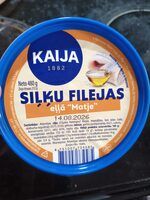
Siłku fileja ełłā Matje (herring fillet in oil "Matje")
Kaija
Processing
4
Ultra-processed
Group 4 of 4 on the NOVA scale
Additives listed
4
0 we grade moderate or higher
1 of them not yet assessed here
Salt per 100g
3.90g
High
UK FSA front of pack threshold
Three separate readings, kept apart on purpose. This is not a score, and none of it says this product is harmful.
Additives (4)
This label lists 2 acidity regulators, 1 flavour enhancer and 1 preservative.
E211
Sodium benzoate
Preservative
What it is. A preservative that stops yeasts, moulds and some bacteria growing in acidic foods.
Why it is used. Used in soft drinks, sauces, pickles and dressings.
What the evidence says. EFSA re-evaluated it in 2016 and kept an acceptable daily intake, with normal exposure below it. The known issue is specific: in acidic drinks that also contain vitamin C, benzoate can form small amounts of benzene, so manufacturers reformulated to avoid the combination. It was also present in the drink mixes used in the Southampton hyperactivity study, though the warning requirement that followed applies to the colours rather than to benzoate.
Permitted with maximum levels in the foods where it is allowed.
Assessed against EFSA, UK FSA. Full entry for E211
E330
Citric acid
Acidity regulator
What it is. A mild acid found naturally in citrus fruit, made commercially by fermentation.
Why it is used. Adds tartness, balances flavour and helps preserve. One of the most used additives in food.
What the evidence says. Safe at food levels. No credible health concern for the additive itself.
Permitted freely.
Assessed against EFSA, JECFA. Full entry for E330
E621
Monosodium glutamate
Flavour enhancer
What it is. The sodium salt of glutamate, an amino acid found naturally in tomatoes, cheese and mushrooms.
Why it is used. Boosts savoury, umami flavour in stocks, crisps, ready meals and sauces.
What the evidence says. The old idea of MSG causing headaches and flushing, once called Chinese restaurant syndrome, has not held up in controlled trials. Regulators worldwide treat it as safe at normal intake. A genuinely useful example of a feared additive that the evidence exonerates.
Permitted and classed as safe. Adds to total sodium, so it counts towards salt if a product uses a lot.
Assessed against EFSA, JECFA, US FDA. Full entry for E621
Also on the label, not assessed here yet
- E575 Glucono-delta-lactone acidity regulator
Names and jobs come from the register of additives permitted in Great Britain, which we have not finished transcribing: a code shown without a name is a gap in our coverage, not a finding that it is unapproved. Naming one is not grading it either. Full detail appears only where we have an assessment against a named authority, so all of this describes our coverage rather than these additives. Most are common and low concern.
Ingredients
Atlantijas silku (Clupea harengus) filejas, mazsālītas, bez ādas (sāls, skābuma regulētāji: E575, E330, glikoze, laktoze, garšas pastiprinātājs E621, cukurs, konservants E211, sāls) 65%, rapšu eļļa. Vidējā produkta uzturvērtība 100 g: enerģētiskā vērtība 752 kJ /181 kcal; tauki 13 g*, tostarp piesātinātās taukskābes 2,8 g; ogļhidrāti 1,3 g, tostarp cukuri 1,3 g; olbaltumvielas 14 g; sāls 3,9 g. *Tauku saturs var mainīties atkarībā no nozvejas sezonas. Nozvejotas Atlantijas okeāna Ziemeļaustrumos. Zvejas rīks-tralis. Uzglabāt temperatūrā no A 4751007734585 LV A 013985 ES Izlietot līdz - skatīt
As printed on the pack, in the producer's own order: ingredients are listed by weight, so what comes first is most of what is in it. E numbers link to their assessment where we have one.