
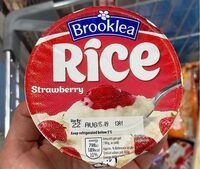
Strawbery rice pudding
Unknown brand
Processing
4
Ultra-processed
Group 4 of 4 on the NOVA scale
Additives listed
5
0 we grade moderate or higher
4 of them not yet assessed here
Sugars per 100g
12g
Medium
UK FSA front of pack threshold
Three separate readings, kept apart on purpose. This is not a score, and none of it says this product is harmful.
Additives (5)
This label lists 3 thickeners and gelling agents and 2 acidity regulators.
E330
Citric acid
Acidity regulator
What it is. A mild acid found naturally in citrus fruit, made commercially by fermentation.
Why it is used. Adds tartness, balances flavour and helps preserve. One of the most used additives in food.
What the evidence says. Safe at food levels. No credible health concern for the additive itself.
Permitted freely.
Assessed against EFSA, JECFA. Full entry for E330
Also on the label, not assessed here yet
- E331 Sodium citrates acidity regulator
- E410 Locust bean gum thickener
- E412 Guar gum thickener
- E440 Pectin thickener
Names and jobs come from the register of additives permitted in Great Britain, which we have not finished transcribing: a code shown without a name is a gap in our coverage, not a finding that it is unapproved. Naming one is not grading it either. Full detail appears only where we have an assessment against a named authority, so all of this describes our coverage rather than these additives. Most are common and low concern.
Ingredients
rice pudding (85%) (skimmed milk, water, rice stome (8%), sugar, skimmed milk concentrate, cream (milk), stabiliers ur locust bean gum, guar gum, flavourings, salt), strawberry 43ut compote (15%) (water, strawberries (33%), sugar, modified catoh maize starch, flavouring, acidity regulators: citric acid, calcium proei citrates, sodium citrates, stabiliser: pectins, black carrot concentrate, concentrated beetroot juice), berry allergy advice: for allergens, see ingredients in bold this ptue directo dietary advice: suitable for vegetarians, no artificial colours or preservatives, 30 seond
As printed on the pack, in the producer's own order: ingredients are listed by weight, so what comes first is most of what is in it. E numbers link to their assessment where we have one.