
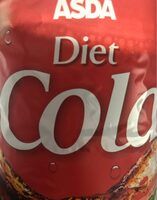
diet cola No artificial colours or flavours Each 2
Processing
4
Ultra-processed
Group 4 of 4 on the NOVA scale
Additives listed
5
0 we grade moderate or higher
2 of them not yet assessed here
Nutrients
–
Nothing above the low band
Or no figures recorded at all
Three separate readings, kept apart on purpose. This is not a score, and none of it says this product is harmful.
Additives (5)
This label lists 2 acidity regulators, 2 sweeteners and 1 colour.
E338
Phosphoric acid
Acidity regulator
What it is. A strong food acid that gives cola drinks their sharpness.
Why it is used. Used in colas and some processed foods to control acidity.
What the evidence says. EFSA set a group acceptable daily intake for phosphates in 2019 and noted that high consumers, particularly children, can exceed it once all sources are counted. The concern is total phosphate intake across the diet rather than one drink, and it matters most for people with reduced kidney function.
Permitted with maximum levels, under a group limit shared with the other phosphate additives.
Assessed against EFSA. Full entry for E338
E950
Acesulfame K
Artificial sweetener
What it is. A calorie free intense sweetener, often blended with other sweeteners to round out taste.
Why it is used. Used in diet drinks, dairy and confectionery.
What the evidence says. Long treated as safe by regulators. Some recent research on sweeteners and the gut microbiome is ongoing, but nothing has changed the official safety position.
Permitted with an acceptable daily intake in all three regions.
Assessed against EFSA, JECFA. Full entry for E950
E955
Sucralose
Artificial sweetener
What it is. An intense sweetener made from sugar, around 600 times sweeter, so it is used in very small amounts.
Why it is used. Sweetens diet drinks, tabletop sweeteners, dairy and baked goods.
What the evidence says. Regulators have treated it as safe for decades and the acceptable daily intake has not changed. Newer laboratory work on a breakdown product, and the general question of sweeteners and the gut microbiome, keep it under discussion, but that work is early and has not moved any official position.
Permitted with an acceptable daily intake in all three regions.
Assessed against EFSA, JECFA. Full entry for E955
Also on the label, not assessed here yet
- E150D Sulphite ammonia caramel colour
- E331 Sodium citrates acidity regulator
Names and jobs come from the register of additives permitted in Great Britain, which we have not finished transcribing: a code shown without a name is a gap in our coverage, not a finding that it is unapproved. Naming one is not grading it either. Full detail appears only where we have an assessment against a named authority, so all of this describes our coverage rather than these additives. Most are common and low concern.
Ingredients
Carbonated Water, Colour (Sulphite Ammonia Caramel), Phosphoric Acid, Flavourings (contains Caffeine), Sweeteners (Sucralose, Acesulfame K), Acidity Regulator (Sodium Citrates). Suitable for vegetarians. NO ARTIFICIAL COLOURS OR FLAVOURS. WARNING Pressurised container, take care when opening. Caffeine Content: Each 250ml serving contains 25mg of caffeine. An average mug of instant coffee contains 100mg of caffeine. Source: Food Standards Agency. No mechanical aids should be used to remove the cap. Avoid damage to cap. Open with care, covering cap and pointing away from face. NUTRITION We suggest this product provides 8 servings Typical Values Per Per Rit 100ml 250ml Energy kJ 4 Energy kcal 9/8400 2/2000 Fat 70g Carbohydrate
As printed on the pack, in the producer's own order: ingredients are listed by weight, so what comes first is most of what is in it. E numbers link to their assessment where we have one.