
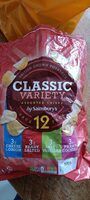
BRITISH GROWN POTATOES CLASSIC VARIETY ASSORTED CR
Processing
4
Ultra-processed
Group 4 of 4 on the NOVA scale
Additives listed
4
0 we grade moderate or higher
1 of them not yet assessed here
Nutrients
–
Nothing above the low band
Or no figures recorded at all
Three separate readings, kept apart on purpose. This is not a score, and none of it says this product is harmful.
Additives (4)
This label lists 2 colours, 1 acidity regulator and 1 sweetener.
E955
Sucralose
Artificial sweetener
What it is. An intense sweetener made from sugar, around 600 times sweeter, so it is used in very small amounts.
Why it is used. Sweetens diet drinks, tabletop sweeteners, dairy and baked goods.
What the evidence says. Regulators have treated it as safe for decades and the acceptable daily intake has not changed. Newer laboratory work on a breakdown product, and the general question of sweeteners and the gut microbiome, keep it under discussion, but that work is early and has not moved any official position.
Permitted with an acceptable daily intake in all three regions.
Assessed against EFSA, JECFA. Full entry for E955
E100
Curcumin
Yellow colour
What it is. The yellow pigment from turmeric root.
Why it is used. Colours mustards, sauces, dairy, confectionery and savoury snacks.
What the evidence says. A plant pigment people have eaten as a spice for a very long time, and regulators treat it as safe with an acceptable daily intake. EFSA noted that children who eat a lot of the foods it is used in could approach that intake, which is a reason to watch total use rather than a sign of harm.
Permitted with maximum levels in the foods where it is allowed.
Assessed against EFSA, JECFA. Full entry for E100
E330
Citric acid
Acidity regulator
What it is. A mild acid found naturally in citrus fruit, made commercially by fermentation.
Why it is used. Adds tartness, balances flavour and helps preserve. One of the most used additives in food.
What the evidence says. Safe at food levels. No credible health concern for the additive itself.
Permitted freely.
Assessed against EFSA, JECFA. Full entry for E330
Also on the label, not assessed here yet
- E160C Paprika extract, capsanthin colour
Names and jobs come from the register of additives permitted in Great Britain, which we have not finished transcribing: a code shown without a name is a gap in our coverage, not a finding that it is unapproved. Naming one is not grading it either. Full detail appears only where we have an assessment against a named authority, so all of this describes our coverage rather than these additives. Most are common and low concern.
Ingredients
Cheese and Onion British Potato, Vegetable Oil (Rapeseed, Sunflower), Dried Onion, Salt, Sugar, Yeast Powder, Yeast Extract, Whole Cows' Milk Powder, Flavourings, Garlic Powder, Acid: Citric Acid; Colours: Curcumin, Paprika Extract. Ready Salted British Potato, Vegetable Oil (Rapeseed, Sunflower), Salt. Salt and Vinegar British Potato, Vegetable Oil (Rapeseed, Sunflower), Maltodextrin, Flavourings, Acid: Citric Acid; Salt, Dextrose, Rice Flour, Yeast Extract. Prawn Cocktail British Potato, Vegetable Oil (Rapeseed, Sunflower), Potato Starch, Flavourings, Salt, Dextrose, Sugar, Acid: Citric Acid; Yeast Extract, Onion Powder, Tomato Powder, Colour: Paprika Extract; Sweetener: Sucralose; Black Pepper Extract. ! Allergy advice:
As printed on the pack, in the producer's own order: ingredients are listed by weight, so what comes first is most of what is in it. E numbers link to their assessment where we have one.